
*as seen in North Catnon Living Magazine
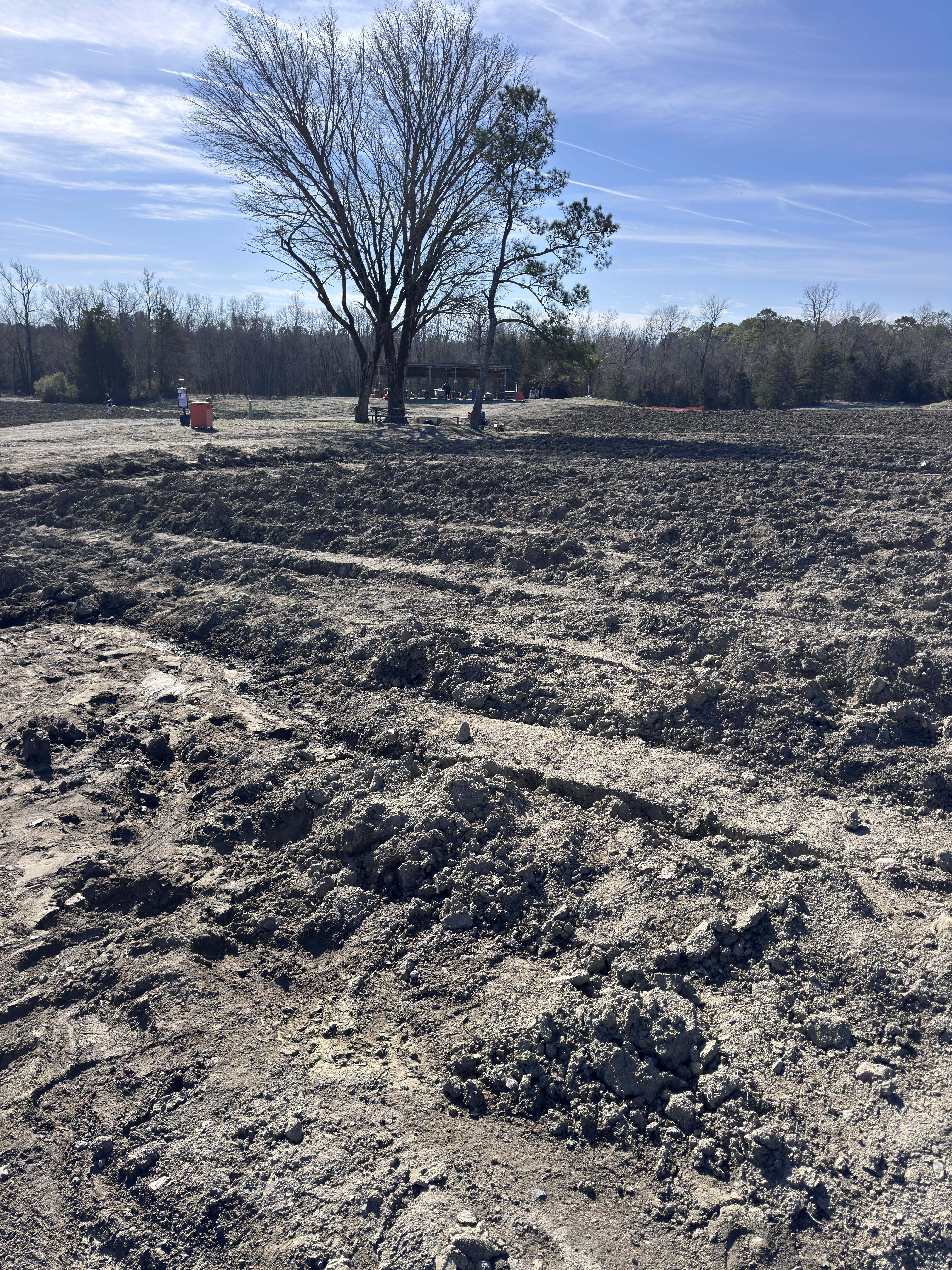
My arms were heavy with the weight from the sifting screens, bucket and shovel. I eyed the newly plowed field stark under a chilly, bright sun. About thirty people dotted the 37-acres. It was MLK day and a few children chased each other up and down the dirt rows. People stood at the water rinsing station outfitted in heavy rubber aprons. I was advised to find a dark spot and dig. I paused to read the signage showing me how to sift the dirt.
I sighed. Already tired from the long walk hauling the digging equipment, I just chose a spot and dropped my equipment. I turned over the bucket and thought long about what I wanted to gain from my admission to the only place in the world where the public can search diamonds in their original volcanic source. I was tempted by the photos and stories of the diamonds found daily. I had just seen a young man register a diamond the day before!
In the end, I recognized the work and difficulty. I am not strong enough to dig more than a few times and then to hold the screens and sift. Let alone withstand the icy waters of the water station. But I did. Once. I have so much appreciation for those who did – and do – this for a living. It is a lot of work. Fun, yes. But work also.
I sifted the gravel searching for the telltale color and glitter. I found quartz, calcite, and peridot. Tiny stones smaller than my fingernail sliver. I tucked them into my pocket and dumped my dirt back into my dig.
I would not make my fortune today.
What I Learned
106 million years ago a gas rich explosion occurred with an ash cloud that may have rivaled the 1848 Krakatoa volcano. Diamonds were in the lava when the volcano exploded. When the ash cloud collapsed, the diamonds filled the crater.
Over 24,000 diamonds have been found since the park was established in 1970. Including The Uncle Sam Diamond in 1924 at 40 carats. The park attendants told me that they average a diamond a day and certification is provided on site.
The Strawn – Wagner Diamond was found in 1990. This 1.09 carat diamond is certified perfect – ideal cut, colorless and flawless by the American Gem Society.
When You Go
The park is a little over an hour SW of Hot Springs. The campground is beautiful with electric and water hookups plus a clean shower house. The park itself houses a nice little museum as well as a medium sized water park for those hot Arkansas summers. The parking is plentiful and the facilities are well maintained and look new. The diamond field is plowed every two weeks generating a new field to search.
At the time of writing, it was $15 entrance fee and equipment was $60 with $45 refundable deposit when the equipment was returned. So for about $30 you could search all day for diamonds.
The paths to the diamond field are paved but within the field there are dirt paths. The furrows are deep and difficult to walk along. There is minimal shade. I recommend you take snacks, water and a folding stool or pad to sit on. Consider a wagon to carry the equipment.
I did see several families pack a picnic with a whole spread next to where they dug for diamonds. Blankets with food and toys spread out to occupy the children when they weren’t digging in their own spot of dirt.
Murfreesboro, Arkansas is only a few minutes from the park with limited accommodation. Hot Springs, Arkansas is only an hour away with a national park and several recognizable hotel chains. Short term rentals abound near Lake Hamilton and Hot Springs. Crater of Diamonds State Park makes an excellent day trip from Hot Springs.